
Water around a water heater is one of the most common calls we get, and the first question is always the same: where is it actually coming from? Water travels along pipes and collects wherever the floor dips, so the puddle is often nowhere near the source. It might be the temperature and pressure relief valve or its discharge line, the drain valve near the bottom of the tank, the hot and cold connections on top, condensation on a cold tank, or a nearby pipe that has nothing to do with the heater. It might also be the tank itself, and that answer changes everything. In Beaverton, OR, we start every leak call by finding the true source.
Finding the source is a process, not a glance. We clear and dry the area, then watch where new water appears. First we check the relief valve and the pipe it drains through, followed by the drain valve and the inlet and outlet fittings, where dielectric unions and flex connectors tend to corrode. If the heater is gas-fired, we look inside the burner compartment, since water there can be condensation or the first sign of a failed tank. When the relief valve is involved, we measure water pressure and check for proper thermal expansion control. We recommend nothing until the source is confirmed.
Once we know the source, the repair is usually straightforward. A new T&P valve, a brass drain valve in place of a weeping plastic one, fresh dielectric fittings or supply connectors, and an expansion tank or pressure-reducing valve when pressure is the cause can all be handled on the spot. A corroded tank is different. Nothing will reliably seal a rusted tank, so we explain replacement honestly and help you choose the right heater. Before we leave, we can add a drain pan with a drain line and a leak sensor, which matters most for heaters above finished space. Call (503) 210-1616 for leak repair in Beaverton.
Most of our service calls are for Water Heater Repair in Beaverton and Water Heater Replacement in Beaverton. That's the place to start for most homes.
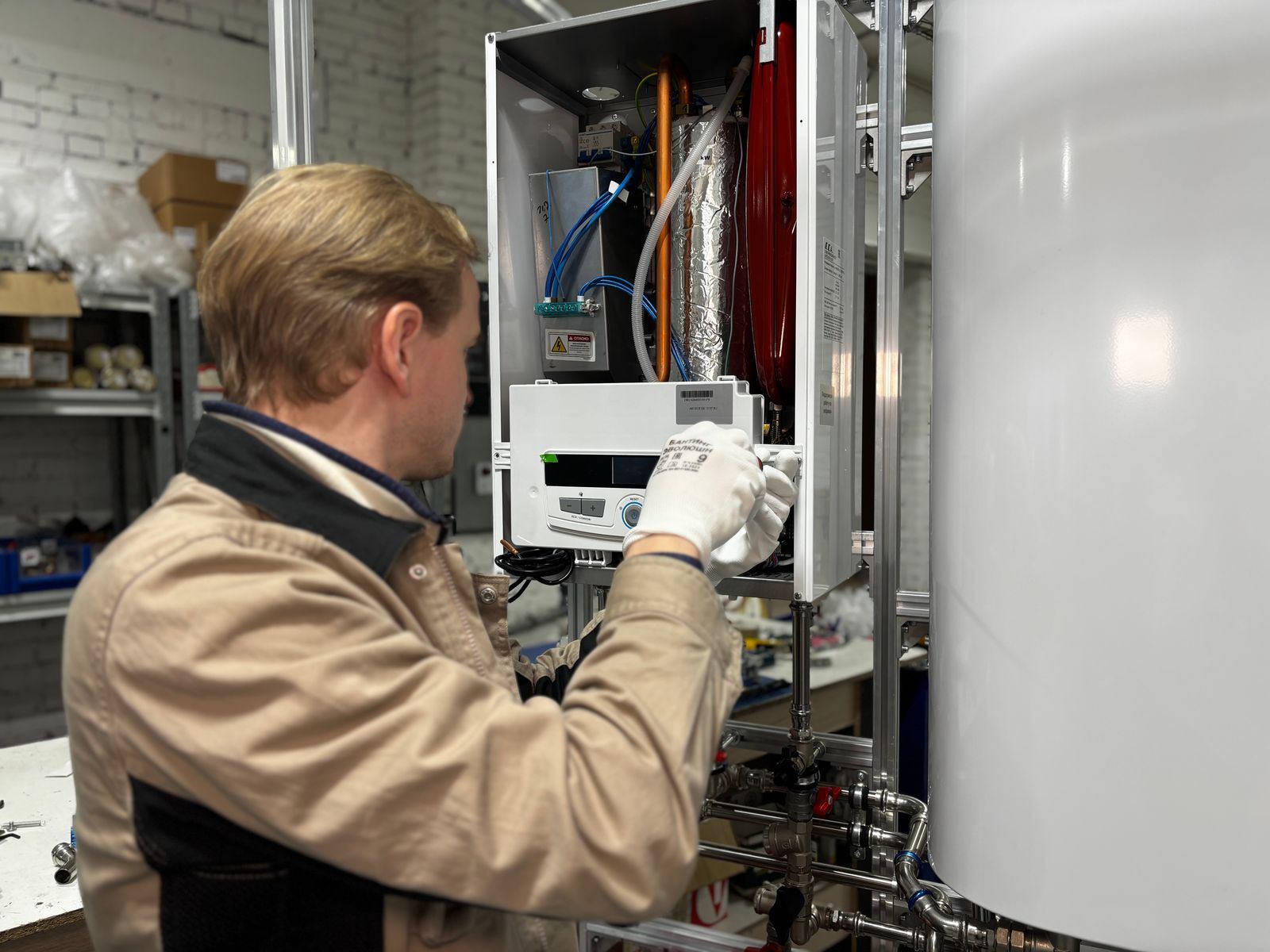
Signs You Need Water Heater Leak Repair in Beaverton
Water heaters usually give plenty of warning before they fail, as long as you know what to look and listen for. Here are the most common indicators that it's time to call a professional:
- A drain valve at the bottom of the tank that drips even when closed
- Rusty or discolored hot water paired with dampness at the base
- Mineral buildup or rust around the hot and cold connections
- Water stains, soft flooring, or musty smells near the heater closet
- Higher water use with no obvious explanation
- Moisture or mineral crust at the end of the relief valve pipe
- A wet floor near the water heater that keeps coming back
- Water inside the burner compartment of a gas heater
A Slow Leak Never Stays Slow
A little rust-colored water or a relief valve that drips now and then can be the first hint of a tank that is close to the end. A quick call to (503) 210-1616 gets a technician out to check it before it becomes an emergency.
What Homeowners Ask Us Most
What a Trained Technician Brings to the Job
A leak looks like a simple job until you try to find it. Water can start at a top fitting, run down under the jacket, and show up at the base, and sweating tanks add confusion. The risks go beyond a wrong part. Plugging a dripping relief valve removes the protection against overheating and overpressure, forcing a corroded connection can split it open, and electric heaters bring high-voltage wiring into a wet area. And if the tank itself is failing, no DIY fix will hold for long.
Experience turns a guessing game into a short, clear diagnosis. We rule out each possible source one by one, confirm it with fresh water on a dried surface, and measure static pressure so the fix actually lasts. Worn relief valves, weeping drain valves, and corroded connections are replaced on the spot, and pressure problems get a permanent fix, whether that is an expansion tank or a pressure-reducing valve. A rusted-through tank gets an honest replacement recommendation instead of a temporary fix, and we can add a piped drain pan and a leak sensor to protect your home going forward.
Step by Step: How a Visit Works
We work through a clear, repeatable process so you always know what's happening and what it will cost. Here's how we handle water heater leak repair from start to finish:
Contain the Water
Before diagnosing, we isolate the heater, turn off the energy source, and contain any standing water so floors and walls stop soaking it up.
Find Where It Starts
Every likely source gets checked: T&P valve, drain valve, inlet and outlet fittings, connectors, condensation, and the tank itself. Nothing gets replaced on a guess.
Measure What Caused It
We gauge household water pressure and look at expansion control, because a closed system without room to expand spikes pressure every heating cycle.
Fix and Confirm Dry
The faulty valve or fitting is replaced, the tank is refilled and bled of air, and we watch the connections under pressure until we are sure they are dry.
Not Sure What You Need?
We give honest advice and upfront pricing on every job, big or small.
Get Help: (503) 210-1616Simple Ways to Extend Your Water Heater's Life
Routine maintenance is almost always cheaper and easier than an early replacement. Follow these tips from our technicians:
- A quick monthly look at the base, valves, and top connections catches leaks early
- A properly drained pan under the tank catches small leaks before they reach your floors
- Check your water pressure; if it runs above about 80 psi, a pressure-reducing valve protects the tank and valves
- Put a water leak sensor on the floor next to the tank so a drip gets noticed early
- Ask about expansion control if your home has a check valve or backflow preventer
- Replace a depleted anode rod before the steel tank becomes the next target for corrosion
- Annual flushing removes sediment that traps heat against the tank floor
Should You DIY or Call a Pro?
Some simple checks are fine to do yourself, but most water heater repairs benefit from professional tools, training, and experience. A side-by-side look:
| Factor | Doing It Yourself | Hiring a Pro |
|---|---|---|
| Finding the Source | Guess based on where water collects | Surfaces dried and each source confirmed |
| Relief Valve | Drip silenced, pressure problem left behind | Valve and pressure both addressed |
| Old Fittings | Tightened until the fitting cracks | Corroded connections replaced with new fittings |
| False Alarms | Normal sweating treated as a leak | Only real problems get repaired |
| Water Damage | No pan, no alarm, no plan | Drain pan, drain line, and leak sensor options |
| Outcome | Temporary fix that may fail again | Lasting fix, verified under pressure |
Book a Visit Today
Don't let a failing water heater get worse. Call Beaverton Water Heater now for prompt, professional service.
Get Help: (503) 210-1616Where We Provide Water Heater Leak Repair
We serve Beaverton and its neighboring towns for water heater leak repair, from quick same-day repairs to planned installs.