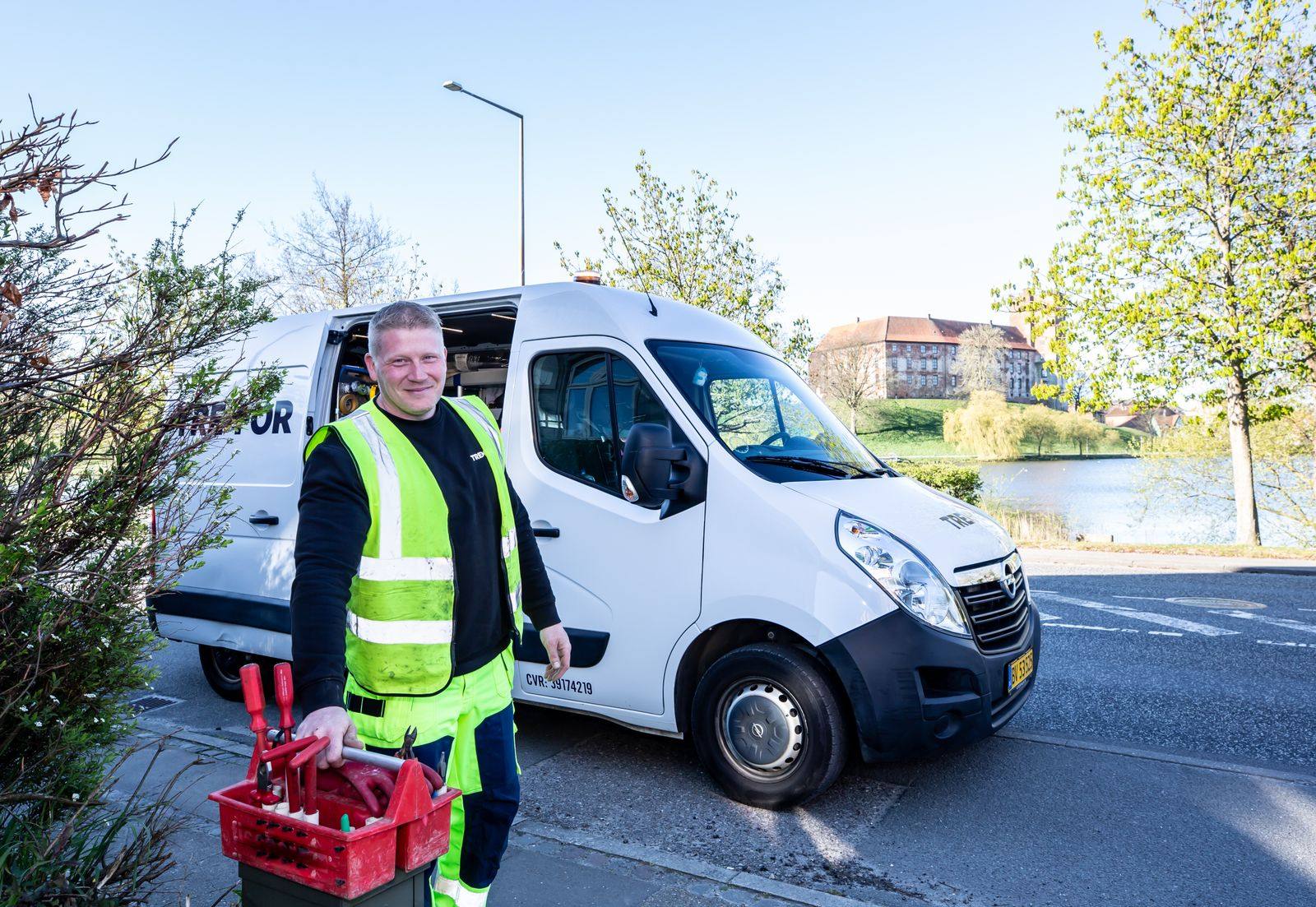
Why do so many people switch to tankless? Mostly three things: hot water that keeps coming, lower standby energy use, and space. A tankless heater stays idle until you open a tap, then fires a high-output burner or electric element to heat water as it flows. With no stored water to keep warm, it wastes less energy between uses, and with regular descaling it can last twenty years or more. It is not magic, though. Performance depends entirely on sizing and installation, which is where most of our work in Beaverton, OR goes.
Sizing is where tankless installs succeed or fail. We work from two numbers, flow rate and temperature rise: add up the fixtures you realistically run at the same time in gallons per minute, then factor in how cold the incoming water gets in winter, since a unit that delivers five gallons per minute at a mild rise may deliver far less when the groundwater is cold. Then comes the infrastructure. A whole-home gas unit can draw several times the gas of a standard tank, which often means a larger gas line or a meter check. Venting must match the unit, and electric tankless models can need a large share of your electrical service, sometimes enough to require a panel upgrade.
When we install a tankless heater, we build it to be serviced. That means isolation valves for descaling, a gas line with a sediment trap sized for the burner's full demand, venting that meets the manufacturer's rules for length and termination, and a condensate line with a neutralizer on condensing models. Where water hardness is high, we explain scale protection options before the unit goes on the wall. Optional recirculation can shorten the wait at distant fixtures. We handle permits where required, test the unit at full flow, and show you how it works. Homeowners in Beaverton can call (503) 210-1616 for a demand assessment and a clear quote.
Most of our service calls are for Water Heater Installation in Beaverton. That's the place to start for most homes.
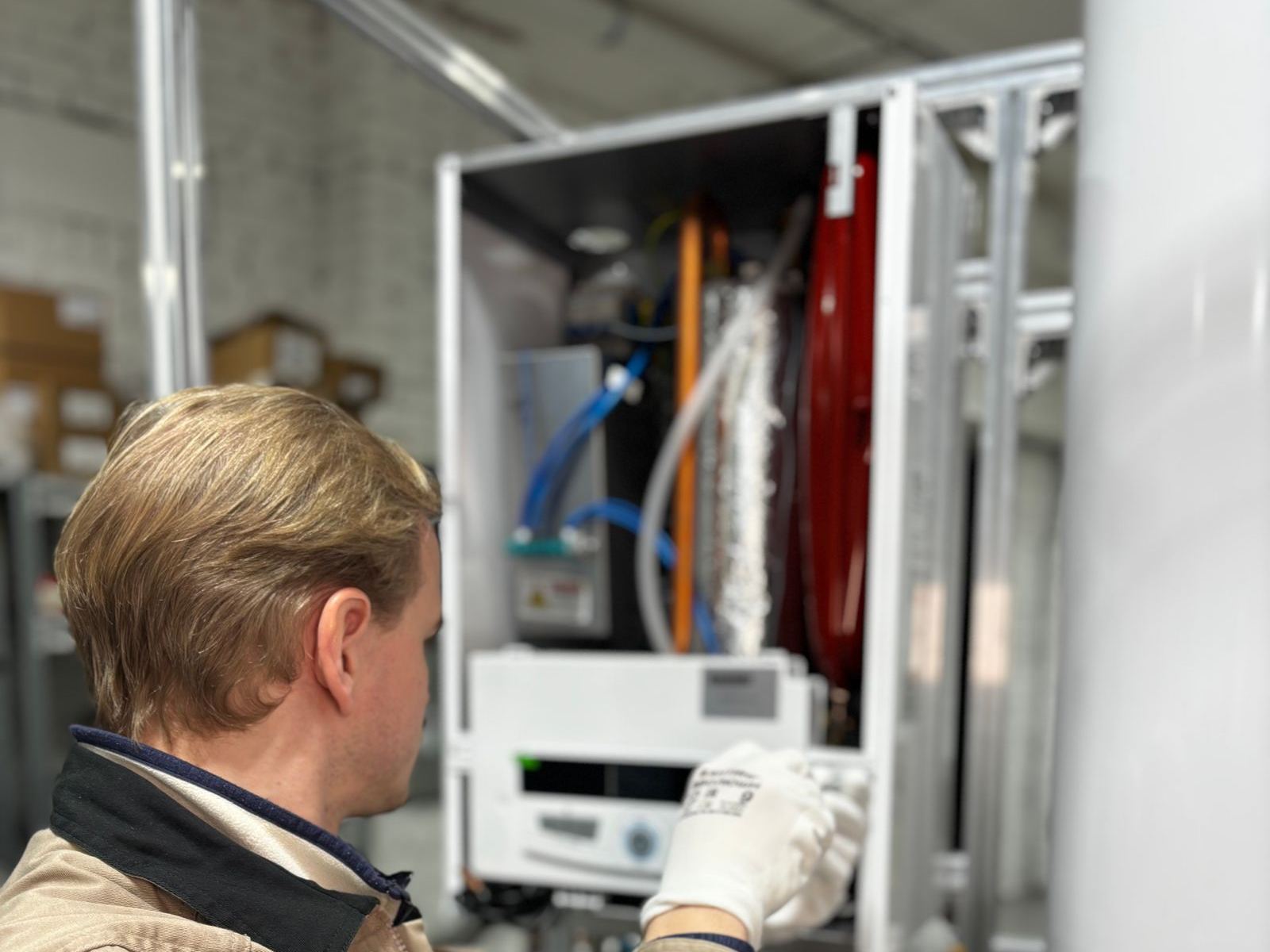
Signs You Need Tankless Water Heater Installation in Beaverton
Water heaters usually give plenty of warning before they fail, as long as you know what to look and listen for. Keep an eye out for the following:
- Paying to keep a full tank hot even when no one is home
- Showers turning lukewarm before everyone gets a turn
- A tank water heater that is ten years old or more and due for replacement
- Construction or remodeling that opens walls and simplifies the install
- A growing household or new bathroom adding hot water demand
- Wanting a unit that can last up to twice as long as a typical tank
- An addition or guest suite that is a long run from the main heater
- A utility area where a bulky tank takes up room you would rather use
Act Before It Gets Worse
A little rust-colored water or a relief valve that drips now and then can be the first hint of a tank that is close to the end. If you notice any of these signs, contact Beaverton Water Heater at (503) 210-1616 for a prompt inspection.
Get Tankless Water Heater Installation Handled Today
Call our team for pricing today.
Tap to Call (503) 210-1616What Homeowners Ask Us Most
Why This Job Calls for a Pro
Could a handy homeowner install tankless? Because the risks and the details stack up quickly. Gas piping must be sized for a burner that may draw nearly 199,000 BTU, and leaks or undersized lines are both dangerous and costly. Venting has to match the unit exactly, with the right material, slope, and termination clearances, or combustion gases can end up where they do not belong. Electric models may need a panel upgrade, and warranty terms often depend on a qualified installation. Permits and inspections are common requirements as well.
Done professionally, a tankless system performs well and stays safe. We start with a real demand assessment, confirm the gas and electrical supply, and design venting that meets the manufacturer's requirements. The install includes service valves, a sediment trap, a correctly routed relief valve line, and a neutralized condensate drain where needed, then a test with several fixtures running. Just as important, we tell you plainly if a tank, hybrid, or smaller point-of-use unit would serve you better. The right fit matters more to us than the type of unit.
What to Expect From Our Team
Every visit follows a step-by-step method built around testing first and replacing parts only when the readings call for it. Here's exactly how a typical visit unfolds:
Flow Rate & Temperature Rise
We count the showers, sinks, and appliances that run together, then size for the coldest groundwater of the year rather than a mild day.
Supply & Venting Plan
Whole-home tankless units need big gas lines or big electrical circuits. We verify yours, choose condensing or non-condensing venting, and plan the condensate drain.
Clean, Code-Minded Installation
Every connection follows the manual and local code: gas, venting, relief valve discharge, condensate, and isolation valves for future maintenance, with permits handled where required.
Startup & Verification
Before we leave, the heater runs with multiple fixtures open while we verify gas pressure, venting, and outlet temperature, then we explain descaling and error codes.
Not Sure What You Need?
Tell us the age, fuel type, and symptoms, and we'll help you sort out the next step.
Call (503) 210-1616 TodayTips to Keep Your Water Heater Healthy
A few preventive steps can help you avoid a cold shower or a wet floor down the road. Put these technician-approved steps to work at home:
- A setting near 120F limits scalding and reduces scale formation
- Flush the unit with a descaling solution annually to keep scale off the heat exchanger
- Check the vent cap outside for nests, debris, or buildup
- Check and rinse the small filter screen at the cold inlet periodically
- In freezing weather, keep the unit powered and insulate exposed piping
- Hard water shortens tankless life, so ask about scale protection
- If the unit shows a recurring code, note it and have it checked
Comparing DIY and Professional Work
The line between a safe DIY check and a risky repair is usually the moment you need to open a gas fitting, a vent connection, or an electrical cover. Here's a comparison:
| Factor | DIY Attempt | Professional Service |
|---|---|---|
| Sizing | Chosen by brand or price alone | Calculated for your coldest months |
| Gas Supply | Old half-inch line reused regardless of load | Line and meter verified for full BTU demand |
| Venting | Old flue reused or wrong vent material | Venting built to the manufacturer's specs |
| Power Needs | Wiring undersized for the load | Dedicated breakers sized correctly |
| Future Service | Hard water left unaddressed | Scale protection discussed up front |
| Outcome | Lukewarm water and error codes | Tested at full flow and set up to last |
Let's Get Your Hot Water Back
Every day a leak or a failing part goes unchecked puts more stress on the tank. Get Beaverton Water Heater on the job today.
Tap to Call (503) 210-1616Areas We Serve for Tankless Water Heater Installation
We bring tankless water heater installation to homes and businesses in town and across the nearby communities. Pick your area to see local details.