
No electric water heater on the market beats a heat pump model for efficiency. Rather than running current through an element for every gallon, it uses a compressor, refrigerant, and a fan to capture heat from surrounding air and move it into the tank. It takes much less power to move heat than to make it, so these hybrids routinely earn Uniform Energy Factor ratings of about 3 to 4, while a conventional electric tank sits just under 1. Across Beaverton, OR, that gap is prompting plenty of homeowners to replace a worn electric tank with a hybrid instead of another standard model.
Before any equipment gets ordered, our technicians look at the space where it will live, because a hybrid is only as efficient as its surroundings allow. We check that there is enough air volume, generally about 700 cubic feet, or plan intake and exhaust ducting when there is not. We think about what the cooler, drier exhaust air will do to the room, whether a garage stays warm enough through the Beaverton winter for the compressor to do most of the work, and how the condensate will reach a drain, by gravity to a floor drain or through a small pump. We verify the electrical side, usually a dedicated 240-volt circuit, and consider noise, since the compressor hum is fine in a garage but may bother someone sleeping on the other side of the wall. Height matters too: hybrids are taller than standard tanks and need room above for service and airflow.
The final piece is setup. Nearly every hybrid ships with multiple operating modes: heat pump only for the lowest operating cost, hybrid for a balance of efficiency and recovery, electric or high demand for heavy-use days, and a vacation setting that idles the tank while you are away. Because the heat pump recovers more slowly than an element, we often recommend stepping up one tank size, such as a 65-gallon unit in place of a 50, so the household rarely needs the elements at all. We install the unit with a proper drain pan and condensate line, the correct circuit, an expansion tank where the plumbing calls for one, and a sensible thermostat setting, then walk you through the modes. Utility rebates and federal tax credits are offered on many qualifying units, and we can point you toward the programs to check, though eligibility always depends on the program. For a heat pump water heater in Beaverton planned around your actual space, call (503) 210-1616.
Most of our service calls are for Water Heater Installation in Beaverton. Start there if you're not sure what you need.
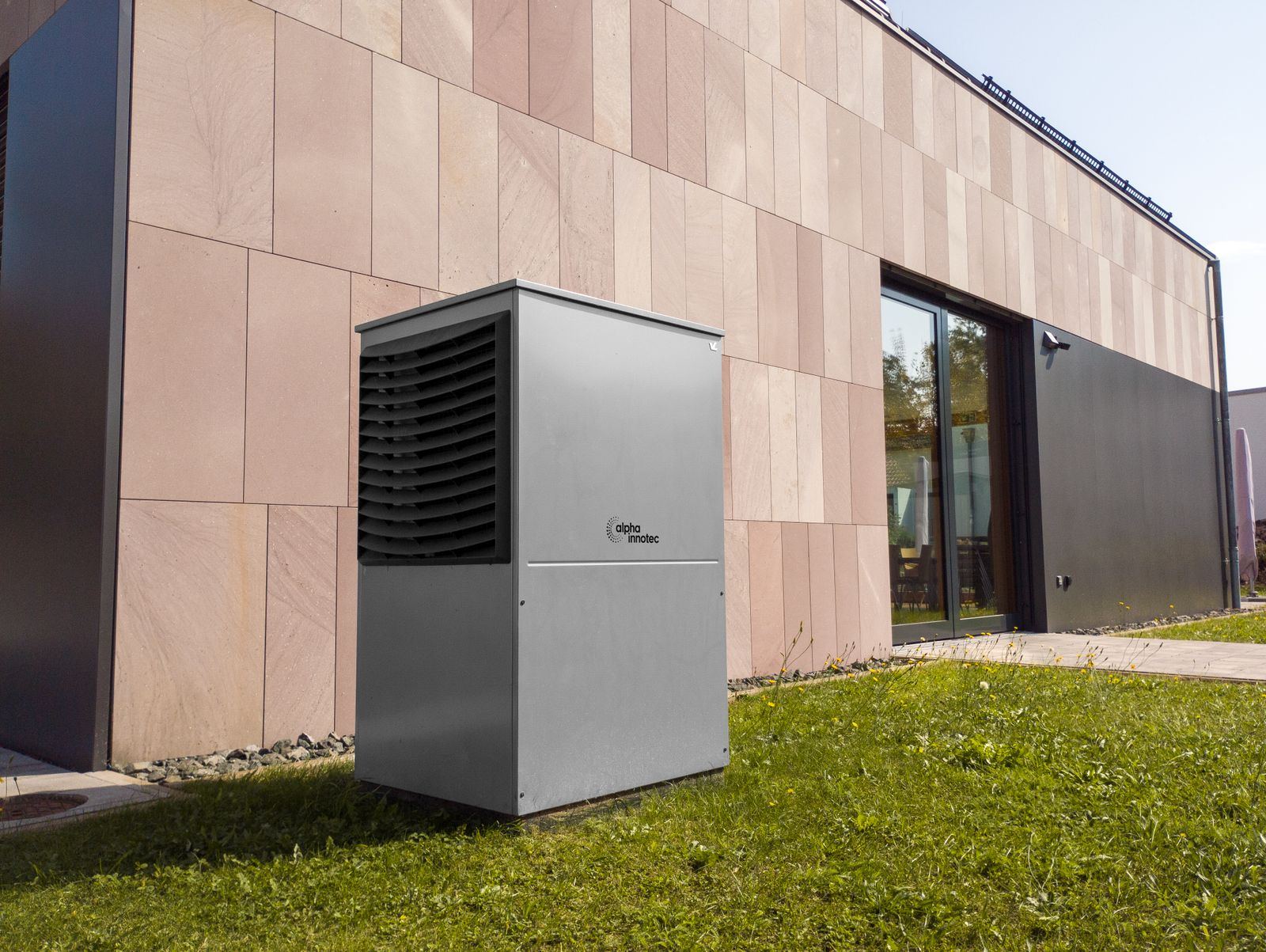
Signs You Need Heat Pump Water Heaters in Beaverton
Recognizing the warning signs early can save you money and keep a slow drip from turning into a flooded utility room. If any of the following sound familiar, it's worth having the unit checked:
- Curiosity about incentive programs for qualifying water heaters
- Rooftop solar that pairs well with efficient electric appliances
- An aging electric water heater you want to replace before it fails
- High electric bills in a household that uses a lot of hot water
- Open space around the current water heater, such as a basement or garage
- A garage or attic-adjacent room that stays warm most of the year
- A 240-volt circuit already in place from your current electric heater
- Humidity problems in the space where the water heater sits
Act Before It Gets Worse
Most water heater failures start small: a popping sound from sediment, a damp spot under the drain valve, or a shower that goes lukewarm a few minutes sooner each week. Don't wait. Get Beaverton Water Heater on the phone at (503) 210-1616 and we'll get a technician scheduled.
Water Heater Trouble? Call Us.
Our experienced technicians are standing by to help.
Call (503) 210-1616 NowHeat Pump Water Heaters FAQ
What a Trained Technician Brings to the Job
A hybrid looks like an ordinary tank with a lid on it, but it combines three trades in one appliance: plumbing, electrical, and a sealed refrigerant system. The water side needs proper connections, a relief valve discharged to a safe location, and an expansion tank where the plumbing is closed. The electrical side needs a circuit and breaker sized to the nameplate, not whatever happens to be there. Then there is the part DIY guides skip: whether the room can actually feed the compressor. A unit squeezed into a small closet without ducting runs on its elements most of the time, which means paying hybrid prices for standard electric performance.
The install itself has its own demands. A filled 65 or 80 gallon tank is very heavy, the unit is taller than most standard heaters, and condensate needs a route that will not overflow onto a finished floor. Switching from gas adds capping the gas line, removing or sealing the old vent, and running new power. Refrigerant repairs on the sealed system call for specific training and recovery equipment. Our experienced technicians plan all of it from the first visit, set up the modes before they leave, and give you the product details you need for any rebate or tax credit paperwork, while leaving eligibility decisions to the program itself.
Step by Step: How a Visit Works
We follow the same careful process on every water heater, whether it's a quick thermostat swap or a full tankless conversion. Here's exactly how a typical visit unfolds:
Space and Airflow Check
We measure the room volume, note how warm or cold it runs through the year, find the nearest drain for condensate, and check the electrical panel for a 240-volt circuit.
Right-Sizing the Tank
You get a recommendation built around your family's peak morning demand, the available space, and whether a 240-volt or 120-volt model makes more sense.
Install Day
The old tank is drained and removed, the hybrid is set in a drain pan, and we connect water, power, the relief valve discharge, and a condensate line to a drain or pump.
Settings and Testing
We fill and purge the tank, confirm the compressor runs and the condensate drains, set a safe temperature, and choose the mode that fits your routine.
Repair or Replace? Let's Figure It Out.
We give honest advice and upfront pricing on every job, big or small.
Get Help: (503) 210-1616How to Prevent Water Heater Problems
Most of the failures we see could have been delayed for years with basic upkeep. Put these technician-approved steps to work at home:
- Look at the condensate line now and then to make sure it is draining freely
- Avoid crowding the unit with shelves or boxes that choke off airflow
- Check the air filter regularly and wash it whenever dust builds up
- Have the tank flushed annually so sediment does not coat the elements
- Keep fumes and heavy dust away from the air the unit draws in
- Replace the anode rod when it is mostly consumed to extend the tank's life
- Use vacation mode when you travel instead of leaving the tank at full temperature
Doing It Yourself vs. Hiring a Technician
Online videos may help in a pinch, yet lasting repairs and code-compliant installs depend on correct venting, proper relief valve discharge piping, and a trained technician. Consider the following comparison:
| Consideration | DIY Attempt | Professional Service |
|---|---|---|
| Room Selection | Put where the old tank was, ready or not | Room sized and assessed for airflow |
| Electrical | Old tank wiring assumed to be fine | Circuit matched to the nameplate |
| Drainage | Pump skipped where one is needed | Condensate path planned and verified |
| Tank Capacity | No thought to slower recovery | Sized for peak demand and recovery |
| Operating Mode | Left on the factory default | Controls explained before we leave |
| Safety Details | Drain pan left out | Code items addressed where required |
Get Heat Pump Water Heaters Help Today
Get your hot water back before a small fault turns into a flooded floor. Beaverton Water Heater is ready to respond fast.
Get Help: (503) 210-1616Communities We Cover
We bring heat pump water heaters to homes and businesses in town and across the nearby communities. Pick your area to see local details.